What is time zone scheduling?
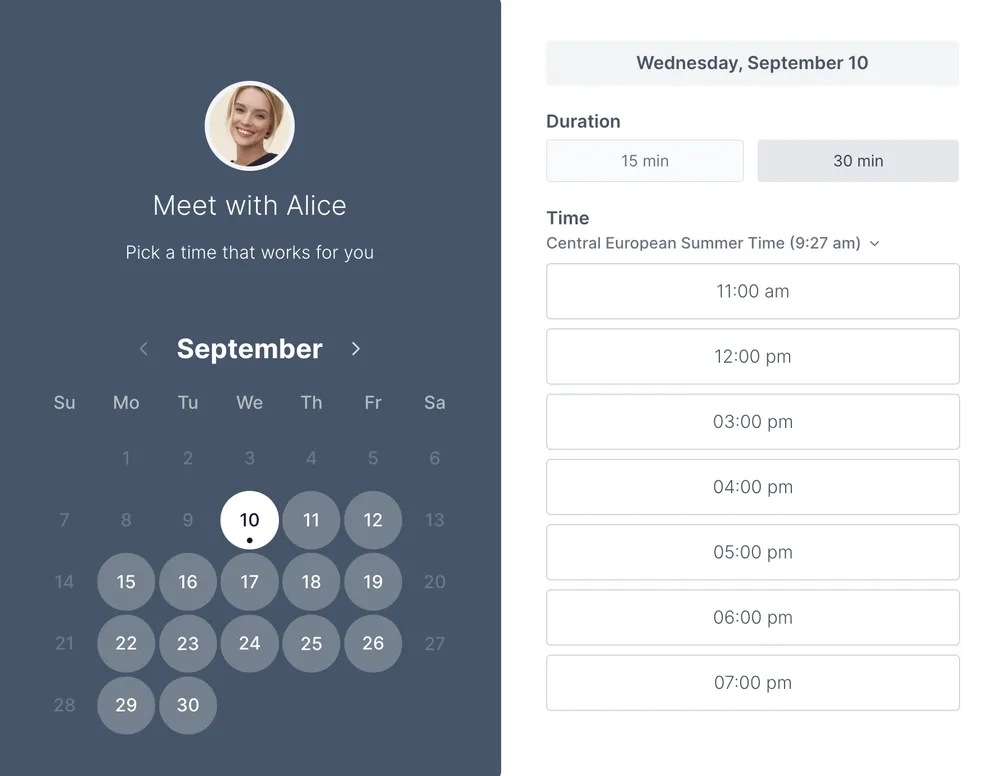
Time zone scheduling is how booking tools display, compare, and store times so people in different regions agree on the same instant. It combines automatic detection, explicit labels, and calendar storage in a stable reference such as UTC behind the scenes.
Why time zone scheduling matters
A one-hour mistake from zone confusion can mean missed flights, angry clients, or empty meeting rooms. Clear time zone scheduling removes mental math for guests and reduces support tickets. It is essential for remote companies, global sales, and any brand that serves travelers or distributed families.
How time zone scheduling works
- The product detects the visitor's zone from browser settings while letting them override if they are planning for someone else.
- Available slots are generated in the host's working rules then translated for display in the guest's local wording.
- Confirmed meetings store an absolute instant so daylight saving shifts do not corrupt the appointment.
- Emails and reminders repeat the guest's local time and often include the host city for clarity on cross-border calls.
- Video links inherit the correct join moment because the underlying timestamp matches both calendars.
Example of time zone scheduling
A designer in Lisbon shares a link with a client in Chicago. The client sees afternoon options expressed in Central Time while the designer's calendar stays in Western European Time. They pick 9:00 a.m. Central, which stores as the same UTC instant both calendars respect. Neither party converts manually.
Common use cases for time zone scheduling
- Remote sales and success teams hosting worldwide prospects
- Interview loops across countries with tight handoffs
- Support coverage windows that span multiple regions
- Telehealth and coaching across states or continents
- Friends and family booking personal time while traveling
Time zone scheduling vs automatic time zone detection
Detection guesses the visitor's zone for convenience. Time zone scheduling is the full system: detection, overrides, labels, storage, and messaging. Detection alone fails if you never show which zone is active or if guests plan on behalf of someone elsewhere.
Best practices for time zone scheduling
- Always show the active zone near the slot list, not only in confirmation email.
- Teach hosts to keep their calendar zone correct at the provider level.
- Test bookings the week daylight saving changes for your top regions.
- When meetings are hybrid, mention the physical location time explicitly.
- Offer a quick override for assistants booking in the executive's zone.
Related scheduling terms
- Automatic time zone detection
- Time zone
- Calendar sync
- Appointment reminders